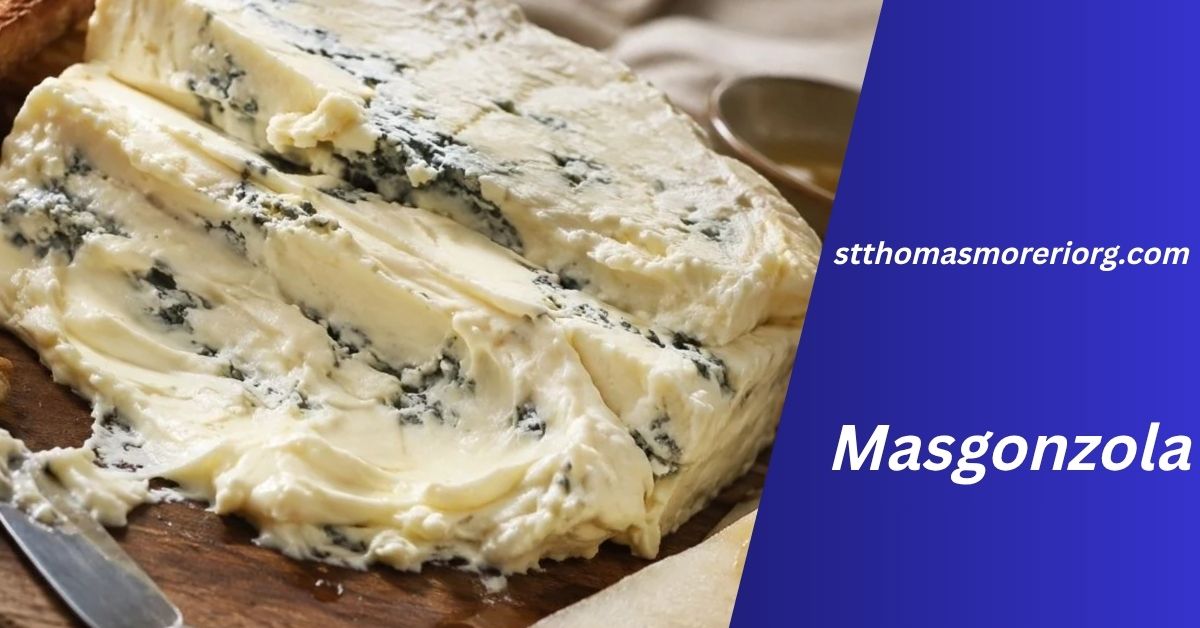
Masgonzola: This Creamy Gorgonzola and Mascarpone Cheese
Masgonzola is a rich, creamy cheese specialty made by combining two well-known Italian cheeses: Gorgonzola and mascarpone. The result is a soft, smooth cheese with the distinctive tang of blue cheese and the mild, buttery character of mascarpone. It is often appreciated by people who enjoy strong cheese flavors but want a softer and creamier texture.
Although the name Masgonzola may be less familiar to many American shoppers than Gorgonzola or mascarpone, the idea behind it is simple. Gorgonzola provides the blue-cheese character, while mascarpone adds richness, smoothness, and a gentle dairy flavor.
This guide explains what Masgonzola is, how it is made, what it tastes like, how it can be used in cooking, its nutrition, storage considerations, and how it compares with other cheeses. Because products can differ by producer and recipe, nutritional and labeling information should always be checked on the package of the specific product you buy.
What Is Masgonzola?
Masgonzola is a creamy cheese specialty created by combining Gorgonzola with mascarpone. Its name reflects the two cheeses used in the combination:
- Mascarpone contributes a smooth, creamy, mild texture.
- Gorgonzola contributes tanginess, saltiness, and the characteristic flavor associated with blue cheese.
The finished cheese is generally softer and creamier than traditional Gorgonzola. This makes Masgonzola particularly useful as a spread, cooking ingredient, or accompaniment for foods such as bread, crackers, fruit, vegetables, and pasta.
The exact characteristics of Masgonzola can vary. Some versions may have a stronger blue-cheese flavor, while others may taste much milder because of the larger proportion of mascarpone.
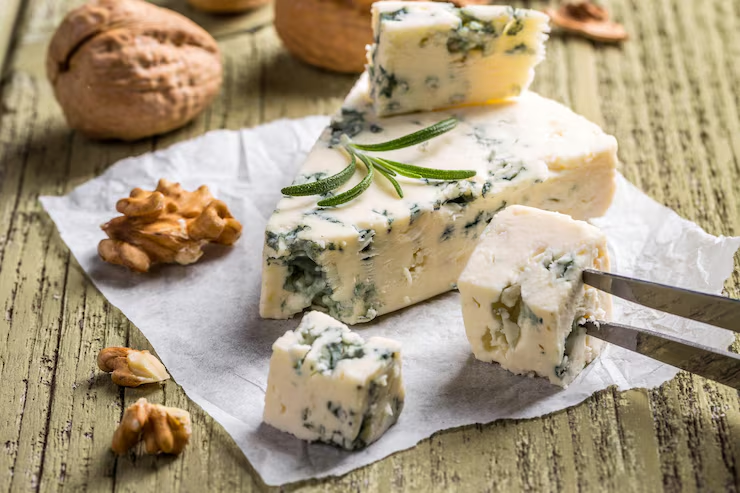
For someone searching for “masgonzola,” the most important point to understand is that it is not simply another name for ordinary Gorgonzola. It is a creamy combination that balances the strong personality of Gorgonzola with the soft richness of mascarpone.
What Does Masgonzola Taste Like?
Masgonzola typically has a creamy, tangy, mildly salty flavor.
Its taste can be easier to understand by looking at its two components. Gorgonzola is responsible for the deeper, savory and tangy notes. Depending on the type and maturity of the Gorgonzola, it may also have a noticeable blue-cheese aroma.
Mascarpone is much milder. It has a smooth dairy taste and a rich mouthfeel without the sharp flavor commonly associated with blue cheese.
When the two are combined, the result can be more approachable than a strongly flavored blue cheese.
A typical Masgonzola experience may include:
- A smooth and creamy texture
- Mild to moderate blue-cheese flavor
- Tangy dairy notes
- A gentle salty taste
- Rich mouthfeel
- Soft spreadability
- A lingering savory finish
This balance is one reason creamy blue-cheese combinations can appeal to people who find traditional blue cheese too intense.
Is Masgonzola the Same as Gorgonzola?
No. Masgonzola and Gorgonzola are related, but they are not the same product.
Gorgonzola is an Italian blue cheese. It is made from cow’s milk and is known for its blue-green veining, distinctive aroma, and characteristic tangy flavor.
Masgonzola combines Gorgonzola with mascarpone. The mascarpone changes the texture and flavor by adding creaminess and reducing the sharpness of the blue-cheese component.
A simple comparison looks like this:
| Feature | Masgonzola | Gorgonzola |
| Main character | Creamy and tangy | Blue cheese and tangy |
| Texture | Very soft and creamy | Soft to semi-soft |
| Flavor | Mild to moderately strong | Mild to strong depending on type |
| Main ingredients | Gorgonzola and mascarpone | Cow’s milk |
| Typical use | Spreads, sauces, appetizers | Cheese boards, sauces, salads |
| Blue-cheese character | Balanced with mascarpone | More pronounced |
The exact texture and flavor depend on the producer and formulation.
Why Is Masgonzola Creamy?
The creamy texture of Masgonzola comes largely from mascarpone.
Mascarpone is a fresh Italian dairy product known for its thick, smooth, high-fat texture. It is often used in desserts such as tiramisu, but it also works well in savory foods.
When mascarpone is combined with Gorgonzola, it creates a cheese mixture that feels softer and smoother in the mouth.
This is different from simply melting Gorgonzola. Melting changes the physical state of cheese, while combining Gorgonzola with mascarpone creates a prepared creamy cheese product with its own texture.
The fat content of the ingredients also contributes to the rich mouthfeel.
How Is Masgonzola Made?
The exact manufacturing method depends on the producer, but the basic concept is straightforward.
Gorgonzola and mascarpone are combined in proportions designed to produce a creamy cheese with a noticeable but balanced blue-cheese flavor.
The process may involve:
- Preparing the Gorgonzola.
- Preparing or obtaining mascarpone.
- Combining the two components.
- Mixing them to achieve a consistent texture.
- Packaging the finished cheese under appropriate refrigerated conditions.
The proportions matter greatly.
A formulation containing more Gorgonzola may have a stronger flavor and more noticeable blue-cheese character. A formulation containing more mascarpone may be softer, milder, and creamier.
This means that two products sold under similar descriptions may not taste exactly alike.
What Is Gorgonzola?
To understand Masgonzola, it helps to understand Gorgonzola.
Gorgonzola is one of Italy’s best-known blue cheeses. It is traditionally associated with northern Italy and is made from cow’s milk.
It belongs to the family of cheeses characterized by the presence of blue or greenish veins created through controlled growth of suitable molds during cheesemaking.
Gorgonzola can range from relatively mild and creamy to stronger and more pronounced.
Two broad styles are commonly discussed:
Gorgonzola Dolce
Gorgonzola Dolce is generally softer, creamier, and sweeter in character than stronger styles. It often has a relatively gentle blue-cheese flavor.
This type works particularly well in a creamy cheese combination because its softer personality can blend naturally with mascarpone.
Gorgonzola Piccante
Gorgonzola Piccante is generally firmer and stronger in flavor. It can have a more noticeable tang and sharper blue-cheese character.
When a stronger Gorgonzola is used in a creamy combination, the resulting product may have a more pronounced flavor.
What Is Mascarpone?
Mascarpone is another important part of Masgonzola.
It is a soft Italian dairy product with a thick, creamy texture. Unlike aged hard cheeses, mascarpone is fresh and has a mild flavor.
It is famous around the world because of its use in tiramisu, but it can also be used in savory dishes.
Mascarpone is valued for:
- Its smooth texture
- Mild dairy flavor
- High richness
- Easy blending
- Ability to create creamy sauces
- Use in both sweet and savory recipes
When combined with Gorgonzola, these qualities help create Masgonzola’s signature creamy texture.
Masgonzola Nutrition Facts
Masgonzola is a rich cheese, so portion size is important when considering its nutritional value.
The nutritional information provided for the topic indicates approximately 369 calories and 35 grams of fat for a stated serving, although the exact values depend on the serving size and product formulation.
Consumers should not assume that every Masgonzola product contains exactly the same amount of calories, fat, protein, carbohydrates, or sodium.
The nutrition label on the actual package is the best source for product-specific information.
Potential nutritional characteristics include:
- Relatively high calorie density
- High fat content
- Some protein
- Calcium
- Sodium
- Small amounts of carbohydrates depending on the formulation
Because Masgonzola contains rich dairy ingredients, it is best viewed as a flavorful food that can be enjoyed in moderate portions.
How Many Calories Are in Masgonzola?
A commonly cited figure for Masgonzola is about 369 calories, along with approximately 35 grams of fat for the referenced serving.
However, serving sizes can differ substantially between nutrition databases and product labels.
For accurate calorie counting, check:
- Serving size
- Calories per serving
- Total fat
- Saturated fat
- Sodium
- Protein
- Total carbohydrates
This is especially important for people following a specific calorie or macronutrient plan.
Is Masgonzola High in Fat?
Yes, Masgonzola can be high in fat because both Gorgonzola and mascarpone are rich dairy foods.
Fat is not automatically a reason to avoid a food. Dietary needs differ between individuals, and fats can contribute to flavor and satiety.
However, a small amount of a rich cheese can add considerable calories.
A practical approach is to use Masgonzola as a flavor ingredient rather than treating it like a low-calorie staple.
For example, a small amount can add a creamy, savory element to:
- Pasta
- Roasted vegetables
- Salad
- Bread
- Soup
- Grain dishes
Is Masgonzola Healthy?
Whether Masgonzola fits into a healthy diet depends on the overall diet, portion size, and individual nutritional needs.
It provides nutrients found in dairy products, including protein and calcium, but it can also be high in calories, fat, saturated fat, and sodium.
There is no single food that determines whether a person’s overall diet is healthy.
For many people, rich cheeses can fit into a balanced eating pattern when eaten in reasonable portions alongside vegetables, whole grains, fruits, legumes, and other nutrient-dense foods.
People with specific medical or dietary needs should use individualized guidance from a qualified health professional.
How to Eat Masgonzola
Masgonzola can be enjoyed in many simple ways.
One of the easiest methods is to allow it to soften slightly under appropriate refrigerated-food handling conditions and spread it on bread or crackers.
Its creamy texture also makes it useful as a cooking ingredient.
Popular serving ideas include:
Masgonzola on Bread
Spread a small amount on crusty bread, toasted bread, or a baguette.
The creamy cheese pairs well with:
- Pear
- Apple
- Fig
- Walnut
- Honey
- Fresh herbs
The sweetness of fruit can provide a pleasant contrast to the tangy cheese.
Masgonzola With Crackers
Crackers are a simple option for serving creamy cheese.
Choose a cracker with a mild flavor if you want the cheese to be the main focus.
Whole-grain crackers can provide additional texture and a slightly nutty taste.
Masgonzola With Fruit
Fruit is one of the most natural pairings for blue-style cheeses.
Try Masgonzola with:
- Pears
- Apples
- Figs
- Grapes
- Dried apricots
Sweet fruit can balance the cheese’s tangy and salty notes.
Masgonzola With Nuts
Walnuts, pecans, almonds, and hazelnuts can complement creamy cheese.
The contrast between crunchy nuts and soft cheese creates a more interesting eating experience.
Masgonzola in Pasta
Masgonzola can be used to create a creamy pasta sauce.
A small amount can be gently incorporated into a warm sauce. It can pair particularly well with pasta, mushrooms, spinach, walnuts, or roasted vegetables.
Because the cheese is already rich, a little may be enough.
Masgonzola Pasta Recipe Idea
A simple Masgonzola pasta dish does not need many ingredients.
You can start with:
- Pasta
- Masgonzola
- A small amount of milk or cream
- Black pepper
- Mushrooms or spinach
- Walnuts, if desired
Cook the pasta according to its package instructions.
Meanwhile, gently warm the dairy component and add Masgonzola. Stir until the mixture becomes smooth. Avoid unnecessarily high heat, because gentle heating helps maintain a better texture.
Add the cooked pasta and toss until coated.
Finish with black pepper and optional vegetables or nuts.
The goal is not to use a large quantity of cheese. The goal is to let the distinctive flavor provide most of the character.
Masgonzola and Pear Pairing
Pear is an especially useful pairing for creamy blue-style cheese.
The fruit has natural sweetness and a soft texture that works well with rich cheese.
For a simple appetizer:
- Slice a ripe pear.
- Add small pieces of Masgonzola.
- Add walnuts.
- Drizzle with a small amount of honey if desired.
This creates a combination of creamy, sweet, crunchy, tangy, and salty flavors.
Masgonzola in Salad
Masgonzola can also be used in salads.
Crumble or spoon small amounts over greens such as:
- Arugula
- Spinach
- Mixed greens
- Romaine
Add fruit, nuts, and a simple vinaigrette.
Because Masgonzola can already be salty and rich, the dressing does not need to be heavy.
A simple vinaigrette made from olive oil and an acidic ingredient such as vinegar or lemon juice can provide balance.
Masgonzola in Sauces
The creamy texture makes Masgonzola useful for sauces.
It can be incorporated into warm sauces for:
- Pasta
- Chicken
- Vegetables
- Potatoes
- Grains
When using it in cooking, gentle heat is generally preferable.
Very high temperatures can cause dairy sauces to separate or become less smooth.
Best Foods to Pair With Masgonzola
Masgonzola has a broad range of possible pairings.
Fruits
Good choices include:
- Pears
- Apples
- Figs
- Grapes
- Peaches
Nuts
Consider:
- Walnuts
- Pecans
- Almonds
- Hazelnuts
Vegetables
Its creamy, savory flavor can work with:
- Mushrooms
- Spinach
- Broccoli
- Potatoes
- Roasted squash
- Caramelized onions
Breads
Try it with:
- Sourdough
- Baguette
- Whole-grain bread
- Rustic country bread
- Crostini
Other Foods
It can also complement:
- Pasta
- Risotto
- Pizza
- Polenta
- Salads
- Grain bowls
Masgonzola on a Cheese Board
Masgonzola can bring a different texture to a cheese board.
Instead of selecting several cheeses that are all firm, adding a soft and creamy cheese creates variety.
A simple cheese board can include:
- Masgonzola
- A firm aged cheese
- Fresh fruit
- Dried fruit
- Nuts
- Crackers
- Bread
The key is contrast.
If every item on a cheese board has a strong flavor, the overall experience can become overwhelming. Mild accompaniments allow the creamy blue-cheese character to stand out.
How to Store Masgonzola
Masgonzola is a perishable dairy product and should be handled carefully.
Keep it refrigerated according to the package instructions.
General food-safety practices include:
- Keep the cheese cold.
- Follow the package’s storage instructions.
- Keep it properly wrapped or sealed.
- Avoid leaving it at room temperature for extended periods.
- Use clean utensils when serving.
- Observe the use-by or best-by guidance provided by the manufacturer.
If the cheese develops unexpected characteristics such as unusual discoloration, an abnormal smell, damaged packaging, or other signs of spoilage, it is safer not to consume it.
The presence of blue-green mold associated with a properly produced blue cheese is different from unexpected mold growth on a finished food product. When in doubt, follow the manufacturer’s guidance.
Can Masgonzola Be Frozen?
Freezing creamy dairy products can change their texture.
Masgonzola contains soft dairy components, so freezing and thawing may cause separation, crumbliness, or changes in its original creamy consistency.
For this reason, refrigeration is generally preferable when the goal is to preserve its intended texture.
If freezing is considered, check the manufacturer’s instructions first.
Masgonzola vs. Mascarpone
Masgonzola and mascarpone have very different flavor profiles.
Mascarpone is mild, creamy, and relatively neutral.
Masgonzola has a noticeable tangy and blue-cheese character because it contains Gorgonzola.
| Characteristic | Masgonzola | Mascarpone |
| Flavor | Tangy and savory | Mild and creamy |
| Blue-cheese notes | Yes | No |
| Texture | Soft and creamy | Very creamy |
| Common uses | Savory dishes, spreads | Desserts and sauces |
| Typical flavor intensity | Moderate | Mild |
Mascarpone can be a better choice when a recipe needs richness without strong cheese flavor.
Masgonzola is more suitable when you want both creaminess and a distinctive savory character.
Masgonzola vs. Blue Cheese
“Blue cheese” is a broad category rather than a single cheese.
Gorgonzola is one specific type of blue cheese, while Masgonzola is a combination involving Gorgonzola and mascarpone.
Compared with many traditional blue cheeses, Masgonzola can offer a softer and creamier eating experience.
However, blue cheeses differ greatly. Some are mild, while others have much stronger flavors.
Therefore, the difference between Masgonzola and a particular blue cheese depends on which blue cheese is being compared.
Is Masgonzola Vegetarian?
This question cannot be answered for every Masgonzola product without checking the ingredients and production information.
Cheeses can use different coagulating agents during production. Some use animal-derived rennet, while others use microbial or vegetarian-friendly alternatives.
If you follow a vegetarian diet, look for an appropriate certification or contact the manufacturer.
Do not assume that an Italian cheese is automatically vegetarian.
Is Masgonzola Gluten-Free?
Cheese itself is generally not a major source of gluten, but processed or prepared cheese products can contain additional ingredients.
The safest approach is to check the product label for gluten-containing ingredients and look for gluten-free labeling when necessary.
People with celiac disease or significant gluten sensitivity should be particularly careful about cross-contact and manufacturer statements.
Is Masgonzola Lactose-Free?
Masgonzola should not automatically be considered lactose-free.
Dairy products vary in their lactose content, and fresh dairy ingredients such as mascarpone may contain lactose.
People with lactose intolerance should check the product information and consider their personal tolerance.
Lactose intolerance is different from a milk allergy. People with milk allergies need to avoid milk proteins and should follow professional medical advice.
Who Should Be Careful With Masgonzola?
Most people can enjoy cheese safely when it is properly produced, stored, and handled.
However, some people need additional caution.
This can include individuals with:
- Milk allergies
- Lactose intolerance
- Specific dietary restrictions
- Sodium restrictions
- Certain calorie or fat restrictions
- Conditions requiring individualized dietary planning
People who have been advised to limit saturated fat, sodium, or calories should consider the nutritional information of the specific product.
Masgonzola and Food Safety
Food safety is particularly important with soft and creamy dairy products.
Buy cheese from reputable sources and pay attention to packaging and refrigeration.
Pregnant people and others at increased risk from foodborne illness may have additional recommendations regarding soft cheeses and whether they should be made from pasteurized milk.
Because regulations and product formulations vary, checking the label for pasteurization information is important.
If you are pregnant or have a condition that increases foodborne illness risk, follow current guidance from your healthcare professional or food-safety authority.
How to Choose Masgonzola
If you find Masgonzola at a specialty cheese counter or store, several factors can help you choose a product.
Check the Ingredients
Look at the ingredient list to understand what the product contains.
A typical Masgonzola-style product is expected to center on Gorgonzola and mascarpone, but formulations may vary.
Check the Nutrition Label
Pay attention to:
- Serving size
- Calories
- Total fat
- Saturated fat
- Sodium
- Protein
Consider Flavor Strength
If you are new to blue cheese, a milder, creamier version may be easier to enjoy.
People who already enjoy strong blue cheeses may prefer a formulation with a more pronounced Gorgonzola character.
Check Packaging
Make sure the packaging is intact and the product has been stored under appropriate refrigerated conditions.
Why Is Masgonzola Interesting?
Masgonzola illustrates an important idea in food: combining two ingredients can create a product with a character that neither ingredient has alone.
Gorgonzola brings intensity.
Mascarpone brings softness.
The combination creates balance.
This makes Masgonzola useful for people who want blue-cheese flavor but prefer a smoother and richer texture.
It also demonstrates why traditional food categories can sometimes overlap. A cheese can be both a specialty product and a practical cooking ingredient.
Masgonzola for People New to Blue Cheese
Someone who dislikes strong blue cheese may wonder whether Masgonzola is worth trying.
Its creamy character can make the blue-cheese flavor seem less aggressive than a strongly flavored blue cheese.
However, taste is personal.
A good introduction is to try a small amount with something mild, such as:
- Plain bread
- Pear
- Apple
- Unsalted crackers
This makes it easier to identify the cheese’s flavor without overwhelming the palate.
Masgonzola in American Cooking
Although Masgonzola has an Italian-inspired identity, it can work in many American-style dishes.
For example, it can add richness to:
- Burgers
- Baked potatoes
- Pasta
- Salads
- Sandwiches
- Roasted vegetables
- Steak sauces
The important point is moderation.
Because the cheese has a strong personality and rich texture, a small amount can influence an entire dish.
How Much Masgonzola Should You Use?
There is no universal serving amount because it depends on the dish and personal dietary needs.
For cooking, begin with a small quantity.
You can always add more.
This approach has two advantages. First, it prevents the blue-cheese flavor from overwhelming the dish. Second, it helps control calories, fat, and sodium.
For a cheese board, smaller portions can also encourage tasting rather than overeating.
Common Mistakes When Using Masgonzola
Several simple mistakes can affect the experience.
Using Too Much
Masgonzola is rich and flavorful. Using a large quantity can make a dish excessively heavy.
Using Very High Heat
High heat can negatively affect creamy dairy sauces.
Gentle heating is generally better.
Pairing It Only With Strong Flavors
If Masgonzola is combined with many intense ingredients, its flavor may become difficult to distinguish.
Milder foods often provide better balance.
Ignoring the Nutrition Label
Different products can have different nutritional profiles.
Always check the actual package when nutritional information matters.
Frequently Asked Questions About Masgonzola
1. Can Masgonzola be used as a substitute for cream cheese?
Masgonzola may work in some recipes where cream cheese is used for richness, but it is not a direct flavor substitute. Masgonzola has a distinctive Gorgonzola flavor, while standard cream cheese is much milder. If the recipe depends on a neutral creamy base, the result may taste very different.
2. Does Masgonzola have a strong smell?
It can have a noticeable dairy and blue-cheese aroma because it contains Gorgonzola. However, the intensity varies depending on the formulation and the type of Gorgonzola used. A version with more mascarpone may seem milder than a stronger blue cheese.
3. Can Masgonzola be used in desserts?
It can be used creatively in sweet-and-savory combinations, particularly with ingredients such as pears, figs, honey, nuts, or fruit preserves. However, its tangy cheese flavor means it will not behave like plain mascarpone in traditional desserts.
4. Is Masgonzola suitable for a low-sodium diet?
Masgonzola may contain a meaningful amount of sodium because cheese can be salted during production. People following a medically recommended low-sodium diet should check the nutrition label of the specific product and consider the serving size.
5. What wine goes well with Masgonzola?
The best pairing depends on the specific flavor strength of the cheese and personal taste. Sweet wines can create an appealing contrast with salty blue-style cheeses, while some crisp wines can help refresh the palate. Because Masgonzola is creamy, both contrast and acidity can be useful considerations when selecting a beverage.
Conclusion
Masgonzola is a creamy cheese specialty that combines the distinctive character of Gorgonzola with the smooth richness of mascarpone. Its appeal comes from this balance: Gorgonzola provides tangy, mildly salty blue-cheese flavor, while mascarpone creates a soft and luxurious texture.
For American consumers discovering Masgonzola, it can be useful to think of it as a bridge between a traditional blue cheese and a mild creamy dairy product. It can be spread on bread, paired with fruit and nuts, incorporated into pasta sauces, added to salads, or served as part of a cheese board.
Its rich composition also means that portion size matters. The commonly cited nutrition information of about 369 calories and 35 grams of fat applies to a particular stated serving and should not be treated as a universal value for every Masgonzola product. Always check the product’s own nutrition label for accurate information.
Ultimately, Masgonzola is interesting because it demonstrates how two familiar Italian dairy foods can be combined to create a different culinary experience. Its creamy texture, tangy flavor, and versatility make it a useful specialty cheese for both simple meals and more creative recipes.